David
Brigati
He was there first. For sixty years he was the voice other singers sent for — and most of the time you heard him without being told it was him.
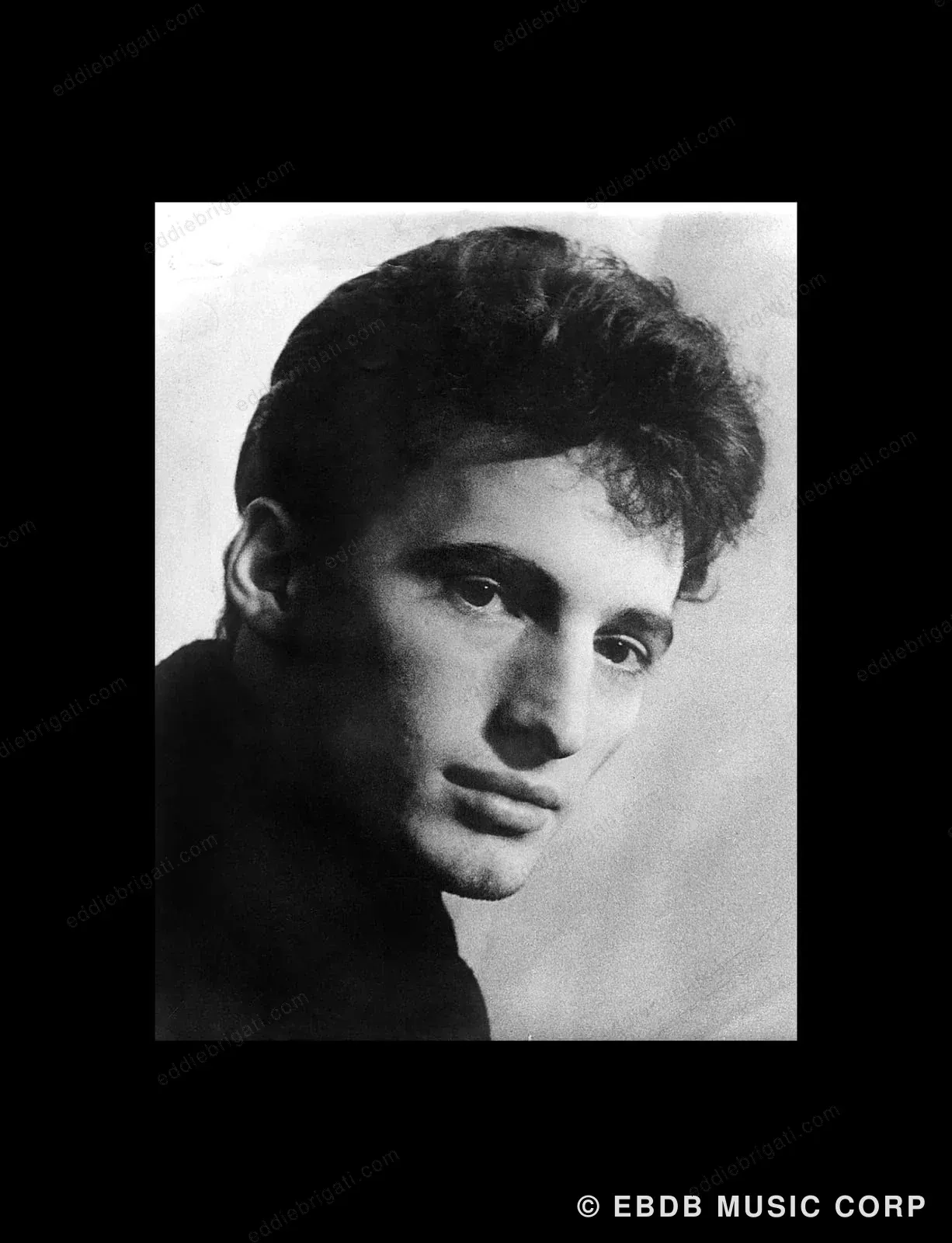
David Brigati — the portrait the family chose for “Dave’s Faves.”
EBDB Music Corp · Eddie’s personal collection
A brief history
The name David Brigati may not be as instantly recognizable as Sinatra or Mathis, but many who are familiar with his singing place him in the same category. A bold statement? Perhaps. But read (and listen) on.
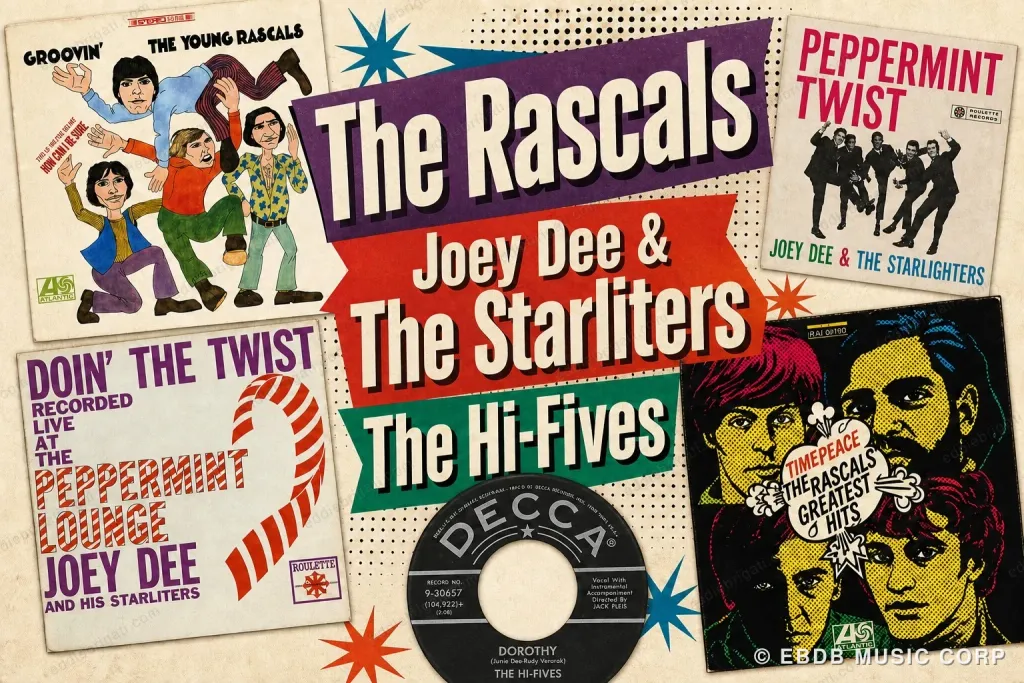
David’s love of vocal groups and rhythm and blues singing began as a teenager in the mid-1950s, listening to acts like The Flamingos, The Harptones and The Dubs. He was inspired to emulate this musical spirit, and using his own natural singing talent and impeccable vocal arrangement ability, founded a group in his hometown of Garfield, New Jersey called The Hi-Fives. They appeared locally before quickly signing with Decca Records, earning several regional hits in New York, Philadelphia and Hawaii. Once David began singing, he “never did homework again.”
During this period, a fellow singing paisan from the area named Joe Dee filled in at a live Hi-Fives show. That meeting soon led to the formation of Joey Dee and The Starliters, one of the first ever interracial groups, whose #1 hit, “The Peppermint Twist,” exploded into a national dance craze and brought them international stardom, including two motion pictures and several other chart hits. Though David was the cornerstone of the Starliter background vocals, he took occasional leads, and one of his finest efforts, a song he co-wrote called “Face of an Angel,” graced the B-side of Joey Dee’s “Shimmy Baby.”
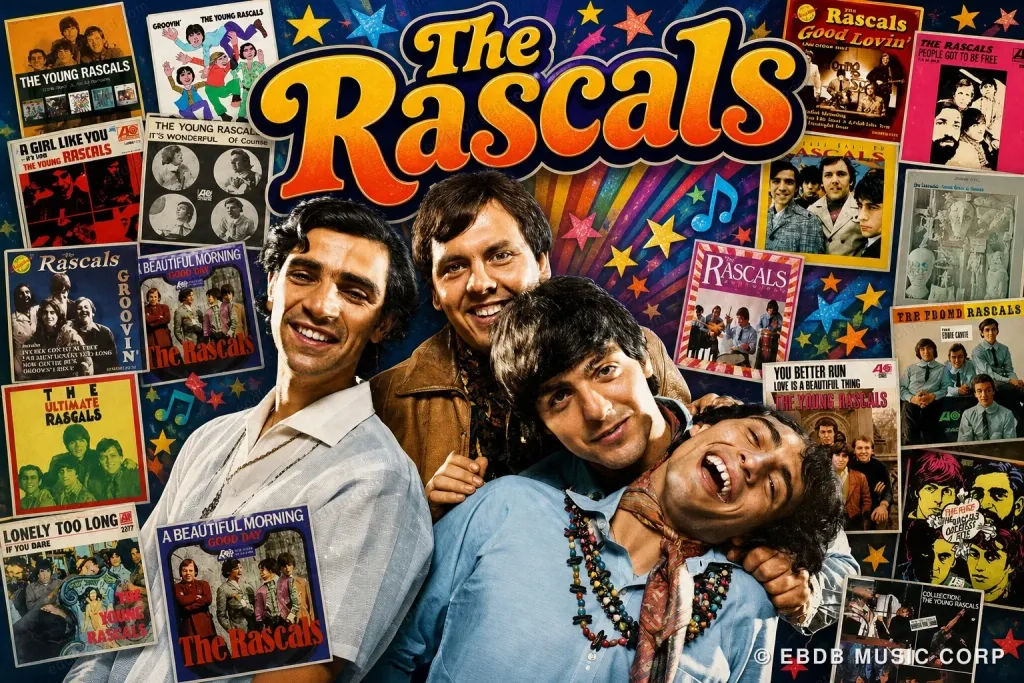
David’s younger brother Eddie was developing a singing career at this time as well, eventually appearing on a Starliters record (“What Kind of Love Is This”) and in 1964, replacing David’s role as an on-stage Starliter. A year later, he co-founded The Rascals, a band which would become a major hit-making force and one of the country’s top music acts of the 1960s.
David soon became a major contributor to their sound, arranging the trademark three-part harmonies and providing soaring background performances on hits like “Groovin’,” “A Beautiful Morning,” “How Can I Be Sure” and “People Got to Be Free.” In 1997, The Rascals were inducted into the Rock and Roll Hall of Fame.
Throughout the 1970s and 1980s David and Eddie composed and recorded songs together with musician Edwin Kobylarz, releasing an LP in 1976, “Lost in the Wilderness.” This collaboration continued into the 2000s when Eddie co-wrote the song “Starliter” as a tribute to his brother, which David recorded and appears for the first time on this release.
About these recordings
In the late 1980s, David set out to record the favorite and most influential songs of his youth. Each song was sung entirely by David; the leads and all harmony parts. The project, under the working title “Dave’s Faves,” was never released…until now.
The name David Brigati may not be instantly recognizable like Sinatra or Mathis, as many of his contributions have gone uncredited and under publicized. But his talent and vocal prowess are of a platinum standard that never fails to impress, inspire and uplift the listener. Just listen for yourself.
David also arranged and sang the voices behind King Harvest’s “Dancing in the Moonlight” in 1972. If you know one piece of his work without knowing it is his, it is probably that chorus.
He passed away on 7 March 2026, at eighty-five, after six decades of singing. The records are still going.
Where you can hear him — 15 sides
Put any of these on and the voices behind the lead are his.
-
I Ain’t Gonna Eat Out My Heart Anymore
1965 · Vocal arrangement -
Good Lovin’
1966 · Vocal arrangement -
You Better Run
1966 · Vocal arrangement -
Come On Up
1966 · Vocal arrangement -
I’ve Been Lonely Too Long
1967 · Vocal arrangement -
Groovin’
1967 · Vocal arrangement -
A Girl Like You
1967 · Vocal arrangement -
How Can I Be Sure
1967 · Vocal arrangement -
It’s Wonderful
1967 · Vocal arrangement -
Once Upon a Dream
1968 · Lead vocal -
A Beautiful Morning
1968 · Vocal arrangement -
People Got to Be Free
1968 · Vocal arrangement -
A Ray of Hope
1968 · Vocal arrangement -
Heaven
1969 · Vocal arrangement -
Carry Me Back
1969 · Vocal arrangement
Every Rascals side, and that is only the part we can list. He worked for six decades and most of it went uncredited on the sleeve.